
For Muslims worldwide, the prayer mat serves as a portable sanctuary, a physical reminder of spiritual devotion that transforms any space into a place of worship. Understanding where to position this sacred item and how to store it respectfully combines timeless religious principles with practical considerations for contemporary living. Whether one resides in a compact urban flat or a spacious suburban home, the placement and care of a prayer mat reflects both devotion and mindfulness in daily practice.
Understanding the Sacred Orientation: Qibla Direction and Prayer Mat Positioning
The significance of facing makkah during salah
The direction of prayer holds profound importance in Islamic practice, as Muslims around the globe turn towards the Kaaba in Makkah during their daily supplications. This unified orientation creates a symbolic connection among believers, regardless of geographical location or cultural background. The prayer mat itself becomes an extension of this sacred alignment, marking the precise spot where one stands before the Creator. Positioning the mat correctly ensures that each prayer fulfills the requirement of facing the Qibla, a fundamental element that cannot be overlooked. This directional requirement is not merely a ritual formality but represents a physical manifestation of spiritual unity within the Muslim community. The act of aligning oneself properly before beginning prayer demonstrates attentiveness and respect for the traditions established centuries ago. When laying down a prayer mat, one must first ascertain the correct direction, transforming an ordinary room into a space imbued with religious significance. The mat serves as a threshold between the mundane and the sacred, and its placement initiates this transformation.
Practical Methods for Determining Qibla Direction in Your Home
Identifying the Qibla direction has become considerably easier with modern technology, though traditional methods remain valid and widely used. Compasses specifically designed for this purpose have long been available, offering a reliable means of establishing the correct orientation without electronic assistance. These instruments account for magnetic variation and provide accurate readings that guide the faithful in their devotions. In contemporary settings, smartphone applications have revolutionised this process, offering precise calculations based on geographical coordinates. Such applications often include augmented reality features that overlay directional arrows onto the camera view, making alignment remarkably straightforward even for those unfamiliar with their surroundings. When setting up a prayer space at home, many Muslims mark the Qibla direction with subtle indicators such as wall hangings or furniture arrangement, creating a permanent reference point that eliminates daily guesswork. Some households designate a specific corner or area where the prayer mat naturally aligns with the correct direction, establishing consistency in practice. For those living in the United Kingdom, the Qibla generally falls in a south-easterly direction, though precise angles vary depending on exact location. Consulting local Islamic centres or using verified online resources can provide tailored guidance for one's specific address. Once determined, maintaining this orientation becomes second nature, allowing the worshipper to focus entirely on devotion rather than logistics.
Creating a Dedicated Prayer Space: Environmental Considerations for Your Mat
Selecting clean and respectful locations within your dwelling
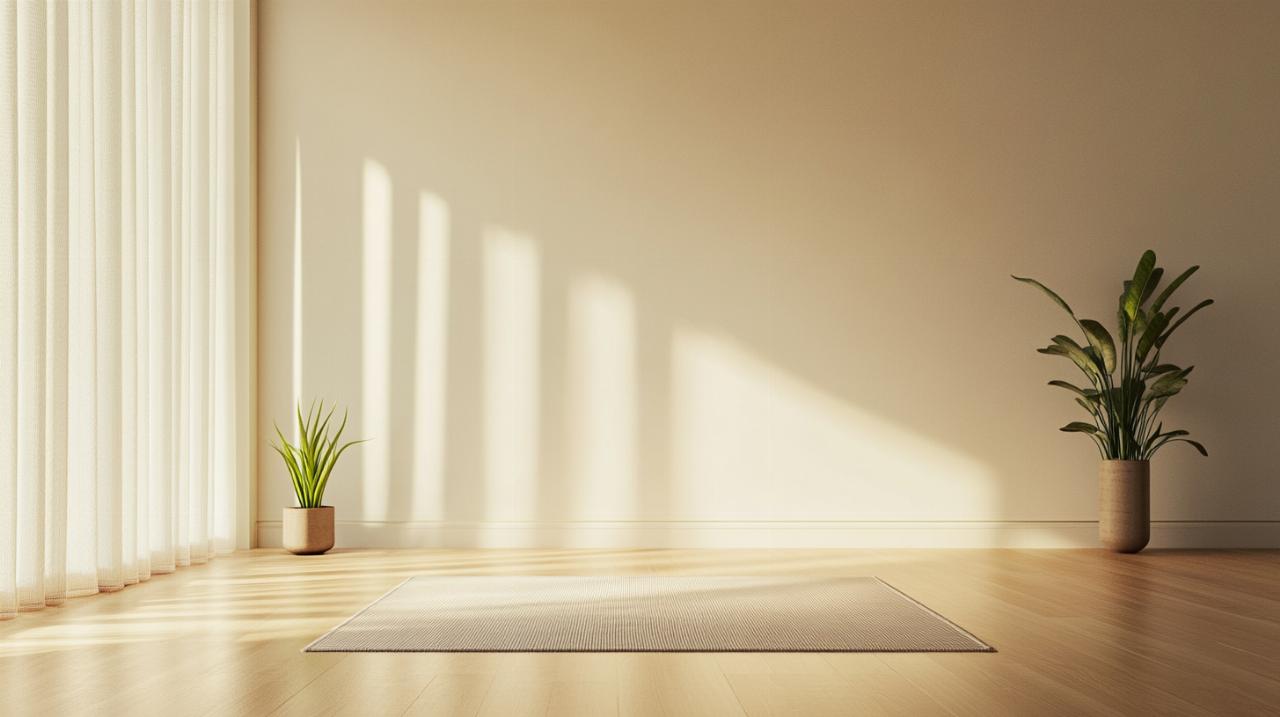
The selection of an appropriate location for prayer extends beyond directional accuracy to encompass cleanliness and respect for the sacred nature of worship. Islamic tradition emphasises the importance of praying in a pure environment, free from impurities that might compromise the validity of the prayer itself. The floor surface beneath the mat should be clean and dry, swept or hoovered regularly to prevent dust and debris from accumulating. Many Muslims prefer positioning their prayer mat in a quiet corner of their home, away from high-traffic areas where interruptions might occur. Bedrooms often serve this purpose well, offering privacy and minimal disturbance during the designated prayer times. Living rooms can also accommodate a prayer space, particularly when household members coordinate their schedules to respect each other's worship periods. Kitchens and bathrooms are generally avoided due to their association with food preparation and personal hygiene, areas considered less suitable for spiritual activities. The chosen spot should allow sufficient space for the physical movements required during prayer, including standing, bowing, and prostration. Adequate clearance ensures that the worshipper can perform each posture comfortably without bumping into furniture or walls. Natural light can enhance the prayer experience, creating an atmosphere of tranquillity and connection to the world beyond the immediate surroundings. However, artificial lighting suffices when natural illumination is unavailable, and many find that soft, warm lighting contributes to a contemplative mood.
Ensuring Proper Cleanliness and Physical Comfort for Prayer
Maintaining the cleanliness of both the prayer mat and the surrounding area forms an integral part of Islamic observance. The mat itself should be kept free from dirt, dust, and any substances that might be considered impure according to religious guidelines. Regular washing or spot-cleaning preserves the mat's condition whilst upholding the standards of cleanliness required for valid prayer. Some practitioners prefer to remove their shoes well before approaching the prayer area, creating a buffer zone that minimises the transfer of outdoor contaminants. This practice also reflects the reverence accorded to the space designated for worship, treating it with the same respect one might show when entering a mosque. The texture and thickness of the mat contribute to physical comfort during extended periods of prayer, particularly during prostration when the forehead rests upon its surface. Mats with adequate cushioning protect the knees and joints, making the prayer experience more conducive to concentration and less physically taxing. Temperature considerations also play a role, as cold floors can prove distracting during colder months. Positioning the mat atop a carpet or rug can provide additional insulation, though the prayer mat itself must remain the topmost layer to maintain the symbolic separation between ordinary space and the prayer zone. Ensuring that the area is free from unpleasant odours creates a more pleasant environment for worship, allowing the mind to focus on spiritual matters rather than physical distractions. Ventilation and air quality contribute significantly to overall comfort, particularly during longer prayer sessions or when multiple household members pray in sequence.
Contemporary storage solutions: maintaining your prayer mat between use
Stylish and Practical Storage Options for Modern Muslim Households
Between prayer times, the proper storage of one's prayer mat demonstrates ongoing respect for this important religious article whilst addressing practical considerations of space and organisation. Modern Muslim households have embraced a variety of storage solutions that balance aesthetic appeal with functionality. Decorative baskets woven from natural fibres provide an attractive option that complements various interior design styles, from minimalist Scandinavian to cosy traditional decor. These containers can be placed discreetly in corners or beneath furniture, keeping the mat accessible yet out of sight when not in use. Wall-mounted holders have gained popularity in recent years, offering vertical storage that maximises floor space whilst displaying the prayer mat as a piece of meaningful decor. Such holders often feature elegant designs that reflect Islamic artistic traditions, transforming a functional item into a visual element that enhances the room's character. Dedicated prayer mat bags with handles facilitate easy transport between rooms or when travelling, ensuring that the mat remains protected from dirt and damage. Some families designate a specific drawer or shelf exclusively for prayer items, creating a centralised location that includes not only the mat but also items such as prayer beads, religious texts, and fragrance. This approach simplifies the preparation process before prayer, as everything needed is gathered in one place. Custom-built storage solutions, such as ottomans with internal compartments, serve dual purposes by providing seating or footrests whilst concealing prayer mats within. Such furniture pieces integrate seamlessly into living spaces without advertising their religious function to guests unfamiliar with Islamic practices.
Proper Care and Preservation Techniques for Your Prayer Mat
Extending the lifespan of a prayer mat requires attention to proper care and maintenance practices that preserve both its physical condition and its spiritual significance. After each use, allowing the mat to air briefly before folding or rolling prevents moisture accumulation that might lead to mildew or unpleasant odours. This simple step proves particularly important in humid climates or during warmer months when perspiration might dampen the mat's surface. When folding the mat for storage, ensuring that decorative elements or embroidered sections face inward protects these delicate features from abrasion and fading. Rolling the mat rather than folding can prevent permanent creases from forming, maintaining a smooth surface that lies flat during prayer. Periodic cleaning according to the manufacturer's instructions keeps the mat fresh and hygienic, with many modern mats designed to withstand gentle machine washing or spot-cleaning with mild detergents. Sun exposure should be limited, as prolonged contact with direct sunlight can cause colours to fade and materials to deteriorate over time. Storing the mat in a cool, dry location away from radiators or heating vents prevents damage from excessive heat or dryness. For households with multiple prayer mats, rotation between different mats distributes wear evenly and allows each mat to rest between periods of use. This practice also enables thorough cleaning and airing of individual mats whilst others remain in circulation. Inspecting the mat regularly for signs of wear, loose threads, or damage allows for timely repairs that prevent minor issues from becoming major problems. Some practitioners consider replacing their prayer mat periodically as an act of renewal, whilst others maintain the same mat for years, developing a personal connection to this constant companion in their spiritual journey. Regardless of approach, treating the prayer mat with care reflects the broader Islamic principle of respecting the tools and spaces associated with worship.