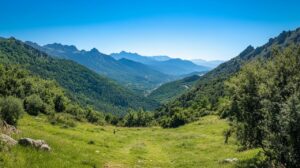

As the new day breaks across the French countryside and cities, residents and visitors alike turn their attention to what the skies will bring. From the bustling streets of the capital to the snow-capped peaks that define the nation's eastern borders, understanding the atmospheric shifts and patterns is essential for planning daily activities, whether that involves a leisurely stroll through urban parks or carving fresh tracks down alpine slopes. This comprehensive outlook provides a detailed examination of conditions from the first light of dawn through to the closing moments of dusk, alongside crucial information for those venturing into mountainous terrain and any alerts that demand attention in the days ahead.
Dawn observations and morning forecast across french regions
Sunrise timings and early light conditions
The arrival of morning light varies subtly across the expanse of the country, with the eastern regions greeting the sun slightly earlier than their western counterparts. As the horizon begins to glow, the atmosphere presents a range of characteristics depending on location. In certain elevated areas, particularly around Chamonix, early observations suggest a hazy sky at high altitude, a phenomenon that softens the intensity of the emerging sunlight and creates a gentle, diffused illumination over the valleys below. Real-time observations from weather stations scattered throughout the region provide valuable insights into these initial conditions, capturing temperature readings and wind behaviour as the world awakens.
At lower elevations, the morning air can feel crisp and refreshing, with temperatures often hovering in the single digits in mountainous zones while more temperate readings greet those in the valleys and coastal areas. The transition from night to day brings with it subtle shifts in wind patterns, with gusts sometimes picking up as the land begins to warm and atmospheric pressure adjusts. For those setting out early, whether for work or leisure, the first hours of daylight offer a window into the day's broader trends, with clear skies suggesting stability and any early cloud formations hinting at possible developments later on.
Temperature Variations from Provence to the Loire Valley at First Light
The diversity of the French landscape is reflected in the wide range of temperatures experienced at sunrise. In the sunlit stretches of Provence, morning warmth arrives more readily, with readings that can climb swiftly as the sun rises higher. Meanwhile, regions further north and inland, such as the Loire Valley, may experience cooler starts, requiring an extra layer for early morning ventures. The capital itself, situated centrally, often strikes a balance, with temperatures that neither plunge to the lows of alpine zones nor rise to the early warmth of the Mediterranean coast.
These variations are not merely academic; they shape the rhythm of life across the country. Farmers in rural areas adjust their schedules according to the morning chill, while urban dwellers plan their commutes with an eye on comfort and practicality. The interplay between latitude, altitude, and proximity to large bodies of water creates a mosaic of microclimates, each with its own character and demands. Understanding these nuances allows for better preparation and a more enjoyable start to the day, whether one is sipping coffee at a pavement café or preparing for a day on the slopes.
Midday climate patterns and afternoon developments
Sun Exposure and Cloud Cover Throughout the Day
As the morning progresses into midday, the sun reaches its zenith and its influence becomes most pronounced. In many areas, the forecast suggests fine weather with a hazy sky at high altitude, a condition that allows for pleasant outdoor activities while providing a gentle screen against the most intense rays. This haziness, often caused by atmospheric moisture or distant dust particles, does not significantly impede visibility but does lend a soft, almost dreamlike quality to the landscape. For those exploring the countryside or enjoying a leisurely lunch outdoors, this combination of sunshine and subtle diffusion creates ideal conditions.
Afternoon temperatures rise accordingly, with some locations experiencing a marked increase from their morning lows. In the south, particularly near Marseilles, readings can reach into the mid-twenties, encouraging outdoor dining and social gatherings. Further north, the climb is more modest but still noticeable, with the capital and surrounding areas enjoying mild and agreeable warmth. Cloud cover remains variable, with some regions maintaining clear skies while others see occasional high-altitude clouds drifting across the blue expanse. These clouds rarely threaten precipitation but add visual interest and can provide brief respite from the sun's warmth.
Alpine snow accumulation and skiing prospects
For winter sports enthusiasts, the afternoon brings both opportunity and information crucial for planning excursions. The snowpack across the nation stands at an impressive level, currently at one hundred and sixty percent of the normal measure, a statistic that underscores the abundance of fresh powder available for skiing and snowboarding. Specific resorts within Les 3 Vallées, renowned as the world's biggest ski area, report varying depths that cater to different levels of expertise and preference. Val Thorens boasts a substantial one hundred and seventy centimetres of coverage, while nearby Orelle surpasses this with two hundred centimetres, ensuring excellent conditions for both groomed runs and off-piste adventures.
Real-time observations from higher elevations, such as the station at Le Couvercle, record nearly two metres of snow depth, a figure that speaks to the sustained accumulation throughout the season. These measurements, combined with forecasts suggesting mild atmosphere and clear to hazy skies, indicate favourable conditions for afternoon skiing. The absence of significant precipitation in the immediate forecast allows for stable snow conditions, with the existing base maintaining its integrity and providing reliable traction and glide. For families and beginners, the well-maintained trails and open lifts ensure accessibility and safety, while experts can venture into more challenging terrain with confidence.
Evening transitions and multi-day weather projections
Sunset hours and nightfall atmospheric changes
As the afternoon wanes and the sun begins its descent towards the horizon, the atmosphere once again shifts. Evening forecasts point to clear skies in many areas, a condition that promises a tranquil close to the day and spectacular sunset views. The gradual cooling that accompanies nightfall is more pronounced in elevated regions, where temperatures can drop sharply once the sun dips below the peaks. In Chamonix, for instance, evening observations suggest clear conditions with temperatures falling into the low single digits, necessitating warm clothing for any outdoor evening activities.
The transition from day to night also brings a calming of wind patterns in many areas, though gusts can persist in exposed mountain zones. For those planning evening strolls or outdoor dining, the combination of clear skies and gentle breezes creates an inviting environment, particularly in urban centres where ambient warmth from buildings and streets tempers the cooling air. The night sky, often remarkably clear in regions away from urban light pollution, offers a canvas of stars that draws the gaze upwards and provides a moment of reflection after the day's activities.
Critical Alerts and Advisories for the Coming Days
Looking ahead, the multi-day outlook reveals a pattern of stability with gradual variations in temperature and cloud cover. Forecasts for the weekend suggest continued fine weather with occasional haziness at altitude, maintaining the pleasant conditions enjoyed throughout the initial days. Morning temperatures are expected to remain cool, particularly on Monday when readings in Chamonix could dip to three degrees Celsius, while afternoon warmth will persist with highs reaching seventeen to eighteen degrees in many areas. These projections, while subject to the usual uncertainties inherent in meteorological prediction, carry a confidence index that guides planning without demanding rigid adherence.
However, it is essential to remain vigilant regarding any weather warnings that may emerge as conditions evolve. While the current outlook does not indicate severe disruptions, the broader European context includes notable weather phenomena such as Storm Harry, which has brought exceptional precipitation to the Mediterranean region, and heavy snowfall affecting parts of northern Europe and North America. Though these systems are not immediately impacting central French territory, their presence underscores the dynamic nature of atmospheric patterns and the importance of staying informed through reliable sources. For skiers and mountain enthusiasts, monitoring trail openings and lift operations remains crucial, as conditions can shift rapidly at altitude. Similarly, those travelling by road should stay updated on any advisories related to snow, ice, or reduced visibility, ensuring safe and enjoyable journeys throughout the days ahead.