
Martinique's capital captivates visitors with its dynamic blend of Caribbean charm and French sophistication, creating a nightlife scene that rivals any tropical destination. From the bustling waterfront to the hillside neighbourhoods overlooking the harbour, Fort de France offers evening entertainment that caters to every taste. Understanding how the city's postal code system organises different districts becomes surprisingly useful when planning memorable nights out, as each postcode area reveals distinct atmospheres and entertainment options. Whether you're drawn to live music venues, cocktail bars with panoramic views, or traditional Caribbean dance halls, knowing which districts host what can transform an ordinary evening into an unforgettable experience.
Understanding Fort de France's Postcode System and District Layout
How postal codes shape navigation in martinique's capital
The postal code framework in Fort de France serves far more than administrative mail sorting purposes; it provides an invaluable navigation tool for residents and visitors alike. As the capital and largest town in this French overseas department, Fort de France employs a systematic approach to organising its urban geography. The INSEE code works alongside postal identifiers to create a comprehensive statistical framework that helps planners understand population distribution and service needs across different zones. For anyone exploring the capital's entertainment scene, recognising how these codes correspond to specific neighbourhoods means you can quickly identify whether a recommended venue sits in the historic centre, along the coastal stretch, or in the hillside residential areas. This knowledge proves particularly valuable after dark when street signs become harder to spot and local directions might reference district names rather than precise addresses. The evolution of these postal codes reflects the city's growth patterns, with newer subdivisions receiving designations that indicate their relationship to the central urban core.
Key Districts: From Lamentin to Schoelcher and Beyond
Fort de France extends across several distinct communal areas, each contributing unique character to the metropolitan experience. Lamentin represents one of the principal zones, offering a blend of residential spaces and commercial activity that attracts both locals and tourists throughout the day and into the evening hours. Schoelcher, positioned along the northwestern edge, brings its own flavour to the capital's nightlife landscape with venues that take advantage of coastal views and breezy tropical evenings. The Morne district rises into the hillsides, providing elevated vantage points where bars and restaurants capitalise on spectacular sunset vistas across the Caribbean Sea. These communal areas house diverse socio-professional categories, from workers and employees to intellectuals and business owners, creating neighbourhoods where traditional rum shops exist alongside sophisticated wine bars. The town hall coordinates development across these zones, ensuring infrastructure keeps pace with the growing tourism sector whilst preserving the authentic character that makes each district special. Understanding these geographical divisions helps visitors appreciate why certain areas buzz with activity on specific nights, as local populations and tourist concentrations vary significantly between postcodes.
Where to Find the Capital's Most Vibrant Evening Entertainment
Nightlife Gems in Central Fort de France Districts
The heart of Fort de France pulses with energy once the sun sets over the harbour, transforming commercial streets into corridors of entertainment that showcase the best of Martinican culture. Central postcode areas host an impressive concentration of venues where traditional zouk music fills the air and locally crafted cocktails flow freely. Small establishments tucked into colonial-era buildings offer intimate settings for live performances, whilst larger venues attract crowds with DJs spinning contemporary Caribbean rhythms blended with international beats. The waterfront district becomes particularly animated during weekends, when both residents and hotel guests converge on restaurants that transition from dinner service into dance venues as the evening progresses. Many of these central spots pride themselves on authenticity, serving as gathering places where various socio-professional categories mingle freely, from dockworkers unwinding after shifts to intellectuals debating over aged rum. The proximity of multiple venues within walking distance makes central Fort de France ideal for those who prefer exploring several atmospheres in one night without relying on transport. Hotels situated in these postcode zones offer convenient access to this vibrant scene, allowing visitors to experience the capital's nightlife without lengthy journeys.
Coastal and Suburban Hotspots Worth the Journey
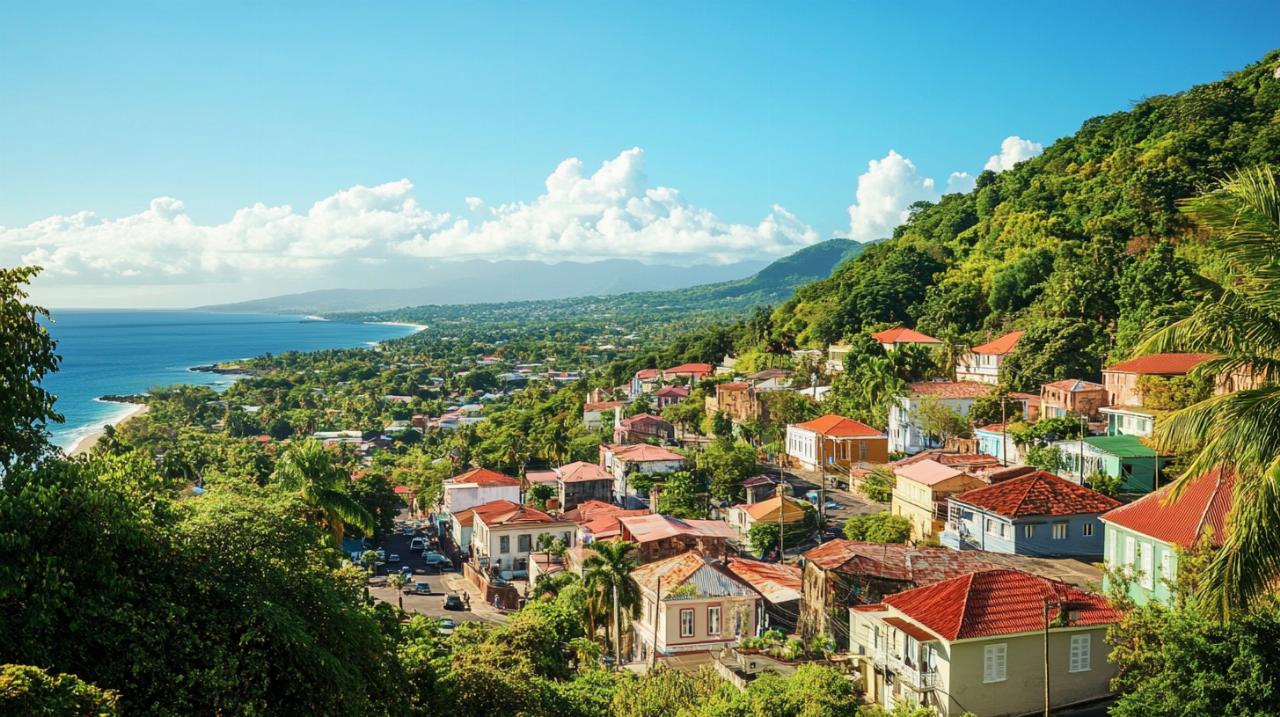
Venturing beyond the immediate centre reveals equally compelling entertainment options that reward those willing to travel slightly further. Coastal areas extending towards Schoelcher feature beach bars where sand meets dancefloor, creating relaxed atmospheres perfect for warm tropical nights. These establishments often attract younger crowds and tourists seeking a more laid-back vibe compared to the intensity of central venues. The hillside postcodes offer something altogether different: sophisticated lounges and restaurants where the main draw combines quality cuisine with breathtaking views across the illuminated city below. These elevated venues tend to attract professionals and visitors staying in upmarket hotels who appreciate quieter settings for conversation alongside their entertainment. Some of the most memorable evenings happen in suburban districts where family-run establishments maintain traditions of live music and authentic Creole hospitality that larger tourist venues cannot replicate. The socio-professional diversity across these outer zones means entertainment offerings cater to local tastes as much as visitor expectations, providing genuine cultural experiences. Planning ahead becomes essential when targeting these locations, as transport options diminish later in the evening, though the unique atmospheres and often more reasonable prices justify the extra effort involved in reaching them.
Planning your night out: practical tips for district-hopping
Using Postcode Knowledge to Navigate Like a Local
Armed with understanding of how postal codes correspond to specific districts, visitors can craft efficient evening itineraries that maximise enjoyment whilst minimising confusion. Noting the postcode of your hotel provides an immediate reference point for gauging distances to recommended venues and estimating return journey times. Many locals reference districts by their communal names rather than specific street addresses, so connecting these area names with their postal codes helps decode recommendations and directions. Technology assists modern navigation, yet mobile signals can prove unreliable in some hillside zones, making pre-downloaded maps tagged with postcode information particularly valuable. The town hall and tourism offices provide resources that overlay entertainment venues onto district maps, though speaking with hotel staff often yields insider knowledge about which postcodes host special events on particular nights. Understanding the socio-professional character of different zones also helps set expectations; districts with high concentrations of workers and employees typically feature more affordable establishments compared to areas dominated by tourism infrastructure. This geographical awareness transforms random wandering into strategic exploration, ensuring you discover the venues that match your preferences rather than settling for whatever appears first.
Accommodation and transport options near key night venues
Selecting hotels based on their postcode proximity to entertainment districts significantly enhances the nightlife experience in Fort de France. Accommodation in central zones offers unmatched convenience for venue-hopping, allowing guests to return on foot regardless of how late festivities continue. However, hotels positioned in quieter postcodes provide better rest between adventures whilst still maintaining reasonable access to main entertainment areas through short taxi journeys. Transport considerations become crucial when planning evenings in outer districts, as public options diminish after certain hours and return journeys may require pre-arranged private cars. Many establishments in tourist-focused postcodes offer shuttle services or maintain relationships with reliable drivers, information worth requesting when making reservations. The evolution of ride-sharing services in Martinique has improved mobility between districts, though availability varies and surge pricing can apply during peak weekend hours. For extended stays, choosing accommodation that allows sampling different postcode areas on different nights prevents the monotony of frequenting the same venues whilst providing comprehensive appreciation of how diverse the capital's nightlife truly is. The main communal areas each offer distinct advantages depending on whether you prioritise convenience, authenticity, views, or value, making the initial choice of where to base yourself one of the most impactful decisions for experiencing Fort de France after dark.