

Ensuring our beloved companions receive proper care extends far beyond daily walks and affectionate cuddles. The foundation of their vitality rests significantly upon what fills their bowls each day. As responsible guardians of these cherished animals, understanding the intricate relationship between nutrition and overall wellbeing becomes paramount. A thoughtful approach to feeding not only supports longevity but also enhances the quality of life our pets experience throughout their years with us.
Understanding the Fundamentals of Pet Nutrition
Navigating the world of pet nutrition can initially appear overwhelming, yet grasping the core principles provides clarity for every owner. At its heart, good pet nutrition forms the cornerstone of health, happiness, and longevity for our furry, feathered, or scaled friends. The science behind what our pets consume reveals a complex interplay of elements working together to sustain their bodies and minds. When we speak of a healthy diet for pets, we refer to a carefully balanced selection of nutrients that address their biological needs at every stage of existence.
Essential nutrients your pet requires daily
Every creature, regardless of species, depends upon a specific combination of nutrients to thrive. For our animal companions, this means incorporating macronutrients and micronutrients in appropriate proportions. Proteins stand as the primary building blocks, with high-quality sources such as meat, poultry, or fish providing the amino acids necessary for muscle development and tissue repair. A protein-rich diet proves particularly crucial for growing youngsters and active adults alike, supporting everything from cellular function to enzyme production.
Fats play an equally vital role, offering concentrated energy whilst facilitating the absorption of fat-soluble vitamins. These essential fatty acids contribute to healthy skin and a lustrous coat, visible indicators of internal wellbeing. Carbohydrates, though sometimes debated in pet nutrition circles, supply readily available energy and dietary fibre that aids digestive function. Meanwhile, vitamins and minerals operate behind the scenes, orchestrating countless biochemical processes from bone formation to immune response.
Water intake deserves special attention as the most fundamental nutrient of all. Pets should have constant access to clean water, with requirements increasing during warmer weather or after physical activity. Proper hydration regulates body temperature, facilitates nutrient transport, and supports organ function. Complete pet food formulations offer a convenient method to ensure animals receive this balanced nutrition without the guesswork, as these products undergo rigorous testing to meet established standards.
Why a Balanced Diet Matters for Your Pet’s Wellbeing
The consequences of nutritional choices extend throughout every aspect of animal health. Proper nutrition serves as a protective shield, helping manage weight and supporting a strong immune system that defends against illness. Pets receiving adequate nutrients display vibrant energy and activity levels, exhibiting the enthusiasm and playfulness that brings joy to households. Their coats shine with health, their eyes sparkle with vitality, and their bodies maintain the ideal condition for their breed and size.
Conversely, nutritional deficiencies or imbalances can manifest in troubling ways. Obesity presents one of the most prevalent concerns, stemming from excessive caloric intake or inappropriate food choices. This condition burdens joints, strains organs, and shortens lifespan considerably. Allergies and digestive problems frequently trace back to dietary sources, whether from specific protein sensitivities or poor-quality ingredients. Skin conditions, dull coats, and low energy often signal that something within the diet requires adjustment.
The relationship between nutrition and disease prevention cannot be overstated. A balanced diet fortifies natural defences, reducing susceptibility to infections and chronic conditions. It supports cardiovascular health, maintains cognitive function in ageing animals, and promotes gastrointestinal integrity. Life stage nutrition recognises that puppies and kittens have different requirements than adult pets, who in turn need different support than senior pets. Tailoring dietary choices to these developmental phases optimises growth, maintains health, and eases the challenges of advancing years.
Practical feeding guidelines for responsible pet owners
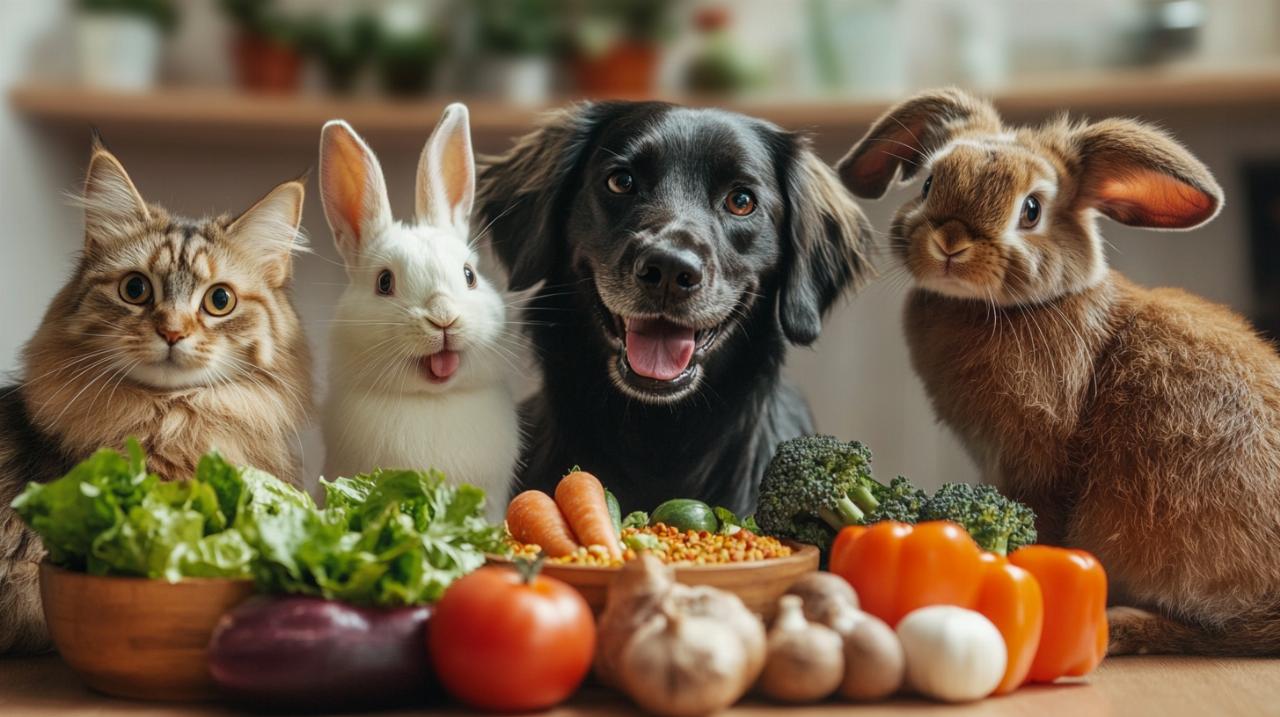
Translating nutritional knowledge into daily practice requires attention to detail and consistency. Beyond selecting appropriate food, the manner in which we present it and monitor consumption significantly impacts outcomes. Veterinary consultation provides invaluable guidance, allowing professionals to assess individual needs and recommend customised feeding plans. These experts consider factors such as breed, activity level, existing health conditions, and personal circumstances that influence dietary requirements.
Establishing consistent feeding routines and portion control
Regular feeding schedules create structure that benefits both pets and their owners. Consistency helps regulate digestion, prevents hunger-driven behavioural issues, and allows for accurate monitoring of appetite changes that might signal health concerns. For dogs, commercially made food that receives UK Pet Food approval and matches their life stage provides a solid foundation. The transition from puppy to adult and eventually to senior or mature formulations ensures nutritional needs evolve alongside physical development.
Portion sizes demand careful consideration, as overfeeding contributes directly to weight management challenges and obesity prevention failures. Guidelines printed on food packaging offer starting points, though individual animals may require adjustments based on their metabolism and activity patterns. Weight checks conducted regularly, ideally with veterinary nurses, provide objective data to guide portion modifications. Gradual diet change proves essential when transitioning between foods, implementing shifts over approximately two weeks to minimise tummy upsets and allow digestive systems to adapt.
Healthy treats certainly have their place in the human-animal bond, offering opportunities for training and affection. However, moderation remains key, as these additions contribute calories that must factor into overall daily intake. Certain human foods pose serious dangers and should never reach pet bowls. Chocolate, grapes, onions, and garlic number amongst toxic foods that can cause severe illness or prove fatal. Understanding these hazards protects our companions from accidental poisoning whilst allowing safe sharing of appropriate alternatives.
Keeping your pet properly hydrated throughout the day
Whilst discussing solid nutrition often dominates conversations, adequate hydration deserves equal emphasis. Clean water should remain available at all times, refreshed regularly to maintain palatability and hygiene. Some animals prove particular about their water sources, preferring running water or specific bowl materials. Accommodating these preferences encourages sufficient consumption, particularly important for species prone to urinary tract concerns.
Environmental factors influence hydration needs considerably. Warmer temperatures, increased activity, and certain health conditions elevate water requirements beyond baseline levels. Pets consuming primarily dry food require more supplemental water than those eating moist formulations, which naturally contain higher fluid content. Monitoring water bowl levels provides insight into drinking patterns, with significant deviations warranting veterinary attention as potential indicators of underlying issues.
The Animal Welfare Act 2006 enshrines the responsibility to provide for animals’ needs, including proper nutrition and hydration. This legal framework reflects societal recognition that pet ownership carries obligations beyond basic shelter. Resources from organisations and professionals including vets and nutritionists expand available knowledge, whilst products from companies like Pet Remedy address specific needs across various species including cats, horses, rabbits, birds, and reptiles. Whether confronting noise phobia or optimising dietary choices, these supports enable owners to fulfil their duty of care.
Ultimately, the commitment to providing a healthy diet for pets represents an investment in shared futures. Each meal becomes an opportunity to demonstrate love through thoughtful choices that honour their biological needs. The rewards manifest in boundless energy, resilient health, and the precious extra years we gain together, making every effort worthwhile for those who depend upon us completely.