
Transforming your home into an eco-friendly sanctuary is more than a design trend; it represents a genuine commitment to reducing environmental harm while fostering a space that feels connected to the natural world. As awareness grows about the impact our choices have on the planet, many homeowners are seeking ways to blend aesthetic appeal with sustainable practices. This approach not only benefits the environment but also creates healthier, more inviting interiors that reflect a mindful way of living.
Sustainable materials and natural elements
Selecting the right materials forms the foundation of any eco-conscious interior. Reclaimed wood stands out as a particularly compelling choice, offering character and history while diverting waste from landfills. Each piece tells a story, bringing warmth and authenticity to floors, walls, and furniture. Bamboo presents another excellent alternative, prized for its rapid growth and remarkable strength. Unlike traditional hardwoods that take decades to mature, bamboo regenerates quickly, making it a renewable resource that does not compromise on durability or elegance. Recycled materials, from glass worktops to repurposed metals, further extend the lifespan of existing resources, reducing the demand for virgin extraction and processing.
Choosing reclaimed wood, bamboo, and recycled materials
Reclaimed wood flooring and furniture not only reduce the need for new timber but also add a unique, lived-in charm that new materials simply cannot replicate. Bamboo flooring, on the other hand, offers a sleek, modern aesthetic while being one of the most sustainable options available. Its hardwearing nature ensures longevity, which aligns with the principle of designing spaces that endure rather than follow fleeting trends. Recycled glass worktops provide a hardwearing and visually striking surface that transforms waste into a functional and beautiful feature. By prioritising these materials, homeowners contribute to a circular economy where resources are continuously repurposed rather than discarded.
Bringing the Outdoors In with Indoor Plants
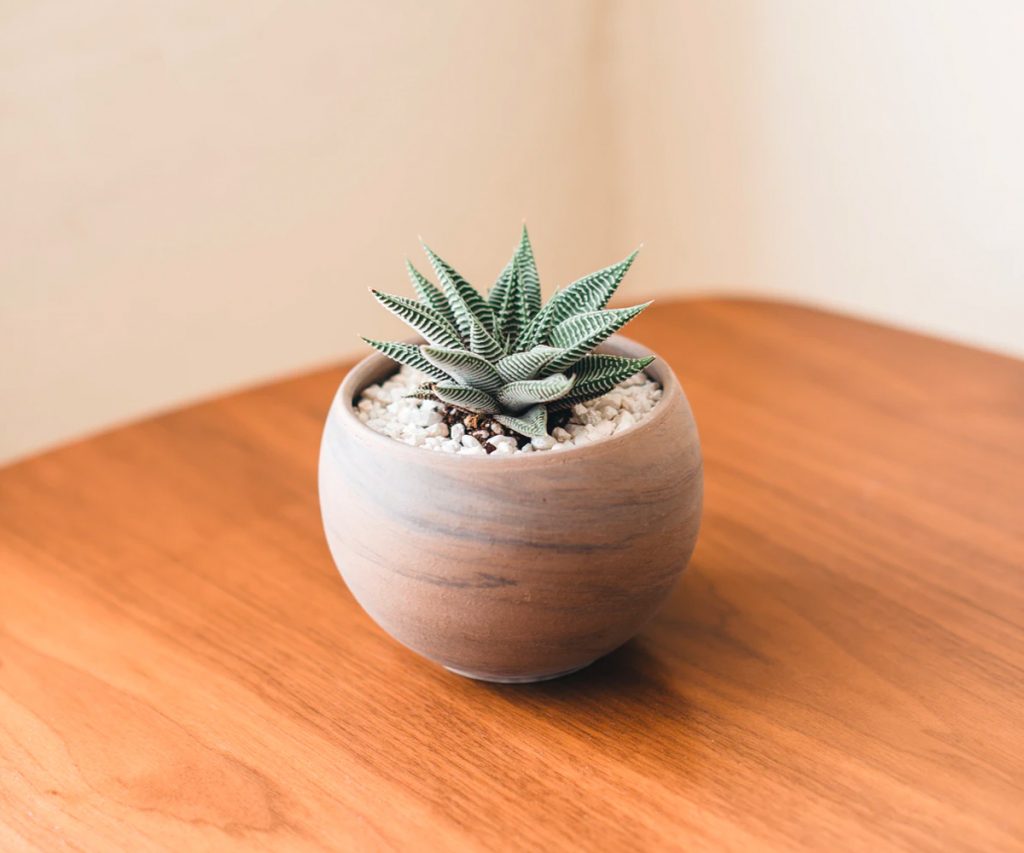
Incorporating houseplants into your interior design does more than enhance visual appeal; it actively improves air quality and fosters a sense of calm. Greenery introduces a living element that softens hard surfaces and creates a more welcoming atmosphere. Plants such as spider plants, peace lilies, and pothos are known for their air-purifying properties, filtering out common pollutants and releasing oxygen. This natural habitat preservation aspect within the home reminds us of our connection to the wider environment and encourages a lifestyle that values nature. Arranging plants in clusters or placing them near windows maximises their impact, turning corners into vibrant, breathing spaces.
Maximising natural light and energy efficiency
Harnessing the power of natural light is one of the most effective strategies for reducing energy consumption and creating a brighter, more cheerful home. Thoughtful space planning can make a significant difference, allowing sunlight to penetrate deeper into rooms and minimising the need for artificial lighting during daylight hours. This not only cuts electricity use but also enhances the overall mood and functionality of living areas.
Harnessing sunshine to reduce electric lighting
Positioning furniture and choosing window treatments that maximise light flow can transform a dim space into a luminous haven. Sheer curtains or adjustable blinds allow control over brightness while maintaining privacy. Mirrors strategically placed opposite windows amplify natural light, bouncing it around the room and creating an illusion of greater space. By designing with daylight in mind, you reduce reliance on electric lighting, which translates into lower energy bills and a smaller carbon footprint. Insulation also plays a crucial role, keeping warmth inside during colder months and preventing the need for excessive heating.
Switching to LED Bulbs and Energy-Saving Fixtures
When artificial lighting is necessary, LED bulbs offer a highly efficient alternative to traditional incandescent options. They consume a fraction of the energy, last significantly longer, and produce less heat, making them a practical choice for any room. Vintage lighting fixtures can be restored and rewired with LED bulbs, combining timeless style with modern efficiency. This approach honours the past while embracing sustainability, ensuring that beautiful design does not come at the expense of the environment. Energy-saving fixtures, including dimmers and motion sensors, further refine energy use, ensuring lights are only active when needed.
Healthier air quality through conscious choices
The materials and finishes used in interior spaces directly influence indoor air quality. Many conventional products release volatile organic compounds, which can linger in the air and affect respiratory health. Opting for low-impact alternatives creates a safer, more pleasant environment for everyone in the household.
Selecting low-voc paints and finishes
Low-VOC paints and finishes are formulated to minimise the release of harmful chemicals, making them an essential component of eco-friendly design. Water-based paints are generally preferable to oil-based varieties, which emit higher levels of pollutants. Remanufactured paints, which repurpose leftover paint from other projects, offer another sustainable option that reduces waste while delivering quality coverage. Chalk paints, popular for upcycling furniture, also tend to have lower chemical content and provide a beautiful, matte finish. By choosing these products, you ensure that the air in your home remains fresh and free from unnecessary toxins.
The air-purifying benefits of houseplants
Beyond their aesthetic appeal, houseplants serve as natural air filters, absorbing carbon dioxide and releasing oxygen while removing certain pollutants. Species such as snake plants, aloe vera, and English ivy are particularly effective at improving indoor air quality. Their presence creates a living ecosystem within the home, supporting well-being and reinforcing the connection between interior spaces and the natural world. Caring for plants also encourages mindfulness and routine, adding a nurturing dimension to daily life.
Water conservation and eco-conscious fittings
Water is a precious resource, and reducing consumption at home is both environmentally responsible and cost-effective. Modern fittings and appliances offer innovative ways to conserve water without sacrificing performance or convenience.
Installing water-efficient taps and appliances
Water-efficient taps, showerheads, and toilets are designed to deliver optimal performance while using significantly less water than older models. Aerators fitted to taps mix air with water, maintaining pressure while reducing flow. Dual-flush toilets allow users to choose the appropriate flush volume, cutting down on unnecessary water use. These simple changes can lead to substantial savings over time, benefiting both the environment and household budgets.
Practical Tips for Reducing Water Consumption at Home
Beyond installing efficient fixtures, everyday habits play a crucial role in water conservation. Fixing leaks promptly, taking shorter showers, and using dishwashers and washing machines only with full loads all contribute to reducing overall consumption. Collecting rainwater for garden use and choosing drought-resistant plants further extend sustainable practices outdoors. By adopting these mindful behaviours, homeowners can make a tangible difference in their environmental footprint.
Upcycling, repurposing, and reducing waste
The concept of waste reduction lies at the heart of sustainable interior design. Rather than discarding items that no longer suit current tastes, upcycling and repurposing breathe new life into old pieces, reducing the demand for new production and keeping materials out of landfills.
Giving Old Furniture and Décor a New Lease of Life
Painting kitchen cabinets, reupholstering chairs, or refinishing a worn table are all effective ways to refresh a space without purchasing new items. Antique and vintage furniture not only carry unique character but also represent a sustainable choice, as they have already stood the test of time. Chalk paints and eco-friendly finishes make it easy to transform pieces, allowing personal style to shine while honouring the environment. Restored vintage items, from bedsteads to lighting, combine history with functionality, creating interiors rich in story and sustainability.
Minimising packaging and choosing reusable alternatives
When new purchases are necessary, opting for products with minimal or recyclable packaging reduces waste. Supporting brands that prioritise reusable containers and biodegradable materials demonstrates a commitment to sustainability beyond the home itself. Textiles made from recycled materials, such as repurposed fabrics for curtains or cushions, offer another avenue for reducing environmental impact. By making thoughtful choices at every stage, from acquisition to disposal, homeowners contribute to a more circular and responsible economy.
Supporting local and ethical sourcing
The origins of the products used in interior design matter. Supporting local craftspeople and businesses that adhere to ethical practices not only strengthens communities but also reduces the carbon footprint associated with long-distance transport.
Championing local craftspeople and artisans
Choosing locally made furniture and décor ensures that resources are sourced responsibly and that skilled artisans receive fair compensation for their work. UK-made furniture crafted from FSC certified timber exemplifies this approach, guaranteeing that wood comes from sustainably managed forests. Cork, another locally available material, offers excellent insulation properties and a distinctive aesthetic. By investing in local craftsmanship, homeowners foster a sense of connection to their region and contribute to the preservation of traditional skills.
The Importance of Ethical Business Practices in Design
Ethical sourcing extends beyond geography to encompass fair labour practices, transparent supply chains, and environmentally responsible production methods. Organic textiles with GOTS certification ensure that materials are grown and processed without harmful chemicals, protecting both workers and the environment. Brands that achieve certifications such as Planet Mark demonstrate a measurable commitment to reducing carbon emissions. By prioritising these values, consumers can align their interior design choices with broader principles of social and environmental justice.
Designing a Comfortable and Inviting Natural Habitat
An eco-friendly home should never compromise on comfort or style. The ultimate goal is to create a space that feels welcoming, restful, and deeply personal while respecting the planet.
Balancing practicality with aesthetic appeal
Sustainable design thrives when functionality and beauty coexist. High-quality, durable furnishings reduce the need for frequent replacements, supporting the principle of designing for longevity. Adaptable spaces that evolve with changing needs prevent the waste associated with constant renovation. Natural fibres such as organic cotton, linen, seagrass, and jute offer tactile richness and timeless elegance, ensuring that interiors remain inviting for years to come. PVC-free wallpapers with water-based inks and sustainable materials add pattern and personality without compromising health or the environment.
Creating a Space That Feels Welcoming and Restful
A truly sustainable interior prioritises well-being alongside environmental responsibility. Soft lighting, natural textures, and a harmonious colour palette contribute to a sense of tranquility. Bioethanol fireplaces provide warmth and ambiance without the pollution associated with traditional wood burners, offering a cleaner alternative that does not require a chimney or flue. The thoughtful integration of organic textiles, restored vintage pieces, and abundant greenery transforms a house into a sanctuary. By focusing on elements that nurture both body and spirit, homeowners create environments that feel as good as they look, proving that sustainability and comfort are not only compatible but mutually reinforcing.