

Setting up a practical training area in your own home has become increasingly popular, allowing you to exercise on your own terms without the hassle of commuting to a public facility. Whether you have a spare room, a garage, or even a garden building, transforming an underutilised space into a dedicated zone for physical activity can revolutionise your approach to fitness. With the right planning and equipment choices, you can create an environment that supports your goals and keeps you motivated day after day.
Planning your home training space: location and layout
Assessing available space and movement requirements
Before you start purchasing any gym equipment, take a careful look at the area you intend to use. Measure the dimensions and consider how much room you will need for the types of exercises you plan to perform. If you are focusing on bodyweight movements or yoga, you might require less space than someone who intends to incorporate cardio machines or extensive strength equipment. Think about clearance zones around each piece of kit, ensuring you can move freely without bumping into furniture or walls. This is especially important if you are planning dynamic exercises that involve lateral movement or jumping. A cramped environment not only restricts your workout options but also increases the risk of injury, so prioritise sufficient space to accommodate your training style comfortably.
Choosing the Right Room or Area in Your Home
The location you select will significantly influence the functionality and enjoyment of your home gym. Spare rooms are often the most straightforward choice, offering privacy and a controlled climate, but garages and basements can also work well if you address potential issues such as temperature fluctuation and ventilation. Garden rooms or converted sheds provide an alternative that separates your training area from the main living space, which can help you maintain focus and establish a clear boundary between exercise time and relaxation. Consider the flooring, ceiling height, and natural light in each potential location. Adequate ceiling height is particularly important if you plan to use equipment like pull-up bars or perform overhead movements. Natural light can boost your mood and energy levels, though adjustable LED lighting can serve as a practical supplement when daylight is limited.
Selecting versatile equipment for maximum training efficiency
Core equipment essentials: kettlebells, resistance bands and pull-up bars
When building a functional training zone, versatility is key. Free weights such as dumbbells and kettlebells are foundational pieces that support a wide range of exercises, from strength training to rehabilitation work. Adjustable versions are particularly useful in smaller spaces, allowing you to change the load without needing multiple sets cluttering your floor. Resistance bands offer another layer of flexibility, enabling you to perform toning exercises and progressive overload movements without the bulk of heavy iron. They are also excellent for rehabilitation and mobility work, making them a valuable addition for anyone looking to maintain joint health and prevent injuries. A sturdy pull-up bar, whether mounted on a wall or fitted in a doorway, opens up numerous upper body and core exercises, rounding out a basic but highly effective setup. These core items form the backbone of a home gym that can grow with your fitness journey, adapting to new goals and training styles as you progress.
Matching Your Kit to Your Training Style and Goals
Your choice of gym equipment should reflect your specific objectives and preferred methods of exercise. If cardiovascular fitness is a priority, investing in a treadmill, rowing machine, or exercise bike can provide consistent, weather-proof training opportunities. Rowing machines, in particular, deliver a full-body workout that combines cardio with strength elements, making them a space-efficient option for comprehensive conditioning. For those interested in building muscle and power, barbells with squat racks and cable machines offer advanced training possibilities, though they do require more room and a higher budget. Compact smart equipment, which integrates technology to track performance and guide workouts, can be a worthwhile consideration if you appreciate data-driven training. Remember that horse training techniques often emphasise balance, coordination, and natural movement patterns, principles that translate well into a functional fitness approach. By selecting equipment that encourages a variety of movement planes and functional exercises, you create a training environment that supports holistic physical development rather than isolated muscle work.
Flooring Solutions for a Safe and Durable Training Environment
Protective flooring materials that can handle impact
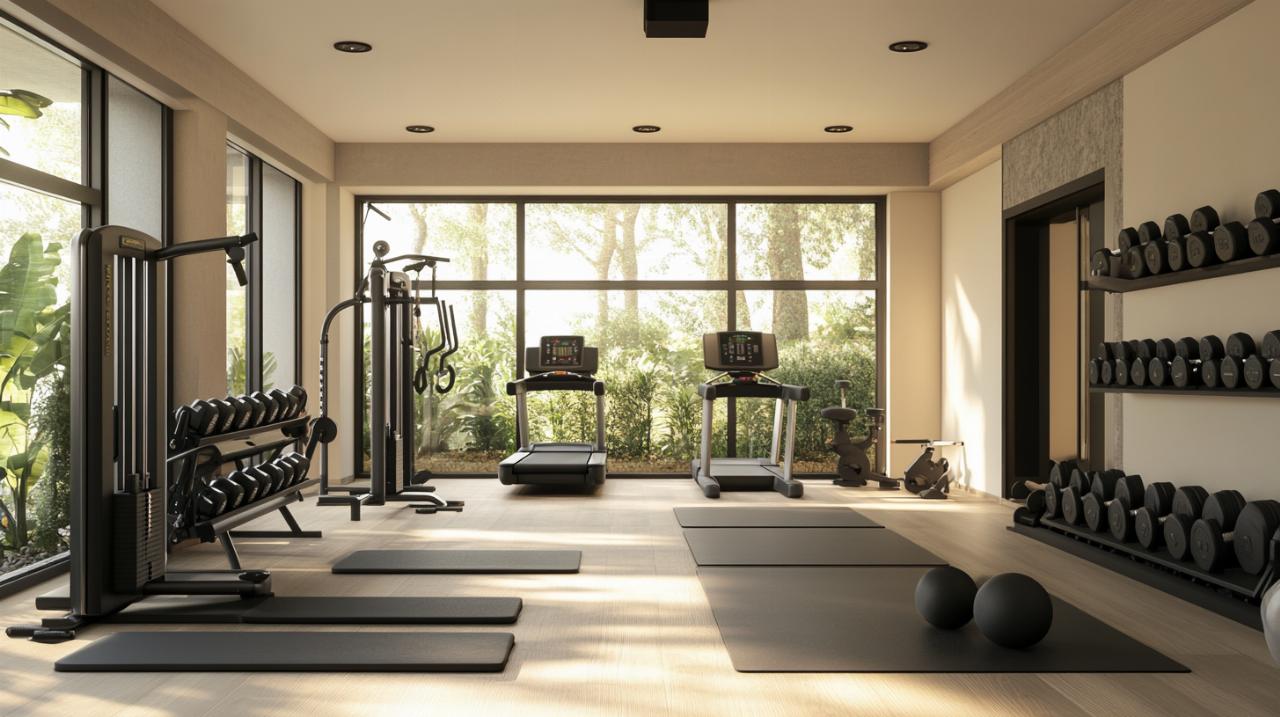
The surface beneath your feet is one of the most overlooked yet critical elements of a home training space. Rubber flooring is widely recommended for its ability to absorb impact, reduce noise, and protect both your equipment and the underlying floor from damage. This type of flooring is particularly important if you plan to perform exercises involving heavy weights, jumping, or dropping equipment. Rubber mats come in various thicknesses, with denser options providing superior cushioning and durability for high-intensity training. They are also relatively easy to clean and maintain, which is a practical consideration given the sweat and grime that can accumulate during regular use. If rubber flooring is not feasible, layering thick exercise mats over your existing floor can offer a reasonable compromise, though this solution may shift during vigorous activity and require frequent repositioning.
Anti-slip surfaces for sweaty workout sessions
Safety during exercise is paramount, and the right flooring can make a significant difference in preventing slips and falls. As you work up a sweat, surfaces can become slick, increasing the risk of losing your footing during fast-paced movements or heavy lifts. Look for flooring materials with textured or anti-slip surfaces designed to maintain grip even when wet. Rubber flooring naturally offers good traction, but if you are using mats, ensure they have a non-slip backing to prevent them from sliding across the floor. Adequate ventilation in your training area can also help reduce moisture build-up, contributing to a safer workout environment. By prioritising anti-slip flooring, you create a stable foundation that allows you to focus on your performance without worrying about unexpected slips that could disrupt your session or cause injury.
Smart storage solutions to keep your training area organised
Space-saving storage ideas for compact home gyms
Effective storage is essential for maintaining a functional and inviting training space, especially when working with limited square footage. Wall-mounted racks for dumbbells, kettlebells, and resistance bands keep your equipment off the floor and easily accessible, while also freeing up valuable floor space for movement. Pegboards or slatwall systems offer flexible storage options that can be customised to hold a variety of items, from yoga mats to skipping ropes. Vertical storage solutions make the most of unused wall space and contribute to a cleaner, more organised appearance. For larger items such as exercise bikes or rowing machines, consider equipment that can be folded or stored upright when not in use. This approach is particularly useful in multi-purpose rooms where the training area needs to double as a home office or guest room. By integrating smart storage from the outset, you ensure that your home gym remains a practical and pleasant environment rather than a cluttered obstacle course.
Maintaining a clutter-free training zone
Keeping your training area tidy is not just about aesthetics; it directly impacts your motivation and safety. A cluttered space can feel overwhelming and uninviting, making it easier to skip workouts or lose focus during sessions. Establish a routine for returning equipment to its designated spot after each use, and periodically assess whether you are holding onto items you no longer need. If your training area shares space with other household functions, consider using storage bins or baskets to corral smaller accessories, ensuring they do not spill over into the rest of the room. A clutter-free zone also reduces the risk of tripping hazards, allowing you to move confidently and safely through your workout. By treating your home gym with the same respect you would a professional fitness facility, you cultivate an environment that supports consistent training and long-term success.
Creating a Motivating Atmosphere in Your Home Training Space
Visual inspiration: artwork and design elements
The visual character of your training space can have a profound effect on your mindset and performance. While functionality is paramount, incorporating design elements that inspire and energise you can transform a basic room into a motivating sanctuary. Consider adding artwork or motivational quotes that resonate with your fitness goals, ensuring they are positioned where you can see them during your workouts. Mirrors are not only practical for checking your form but also create the illusion of a larger space, which can make even a compact home gym feel more open and inviting. Choose colours that promote focus and energy; many people find that bold, vibrant hues stimulate motivation, while others prefer calmer tones that encourage concentration. Personalising your training area with elements that reflect your style and aspirations helps to establish a strong psychological connection to the space, making it easier to maintain a regular exercise routine.
Audio setup: sound systems for energising workouts
Music can be a powerful motivator, helping to set the pace and mood of your training sessions. Investing in a quality sound system or Bluetooth speakers ensures you can enjoy your favourite playlists, podcasts, or guided workouts without frustrating interruptions or poor audio quality. Consider the acoustics of your training area; hard surfaces like rubber flooring and bare walls can amplify sound, so you may need to adjust volume levels to avoid disturbing other household members or neighbours. Wireless speakers offer flexibility in placement and reduce cable clutter, contributing to a cleaner, more organised environment. Some people also find that integrating a television or tablet mount allows them to follow along with online classes or streaming content, adding variety to their workouts. By curating an audio setup that complements your training style, you create an immersive experience that keeps you engaged and motivated session after session.