
Your home is far more than a roof over your head or a collection of furniture assembled in convenient arrangements. It stands as a powerful reflection of your inner world and, perhaps more critically, a force that actively shapes your daily moods, habits and overall sense of well-being. By weaving together insights from behavioural science and considered interior design choices, you can craft living spaces that do not merely look attractive but actively support your mental health, productivity and emotional balance. The ways in which you respond to your surroundings are deeply rooted in both instinct and learned experience, making your home a canvas upon which you can apply subtle yet transformative changes.
Understanding how your environment shapes your mind and behaviour
The relationship between your physical setting and your psychological state is profound. Every element within your home, from the walls and floor to the ceiling and the quality of light filtering through your windows, contributes to an overarching atmosphere that influences how you feel and act. Specialists in interior design emphasise that creating a particular mood involves mastering both tangible components such as structural layout and more intangible factors like scale, colour and illumination. When these elements work in harmony, they guide your emotional responses and even steer your daily routines in ways you might not consciously recognise.
The psychology behind our emotional response to spaces
Humans are remarkably visual creatures, with approximately eighty percent of the information we absorb from our environment arriving through our eyes. Of this vast visual intake, colour alone accounts for around forty percent, underscoring its significance in shaping perception and emotion. Colour psychology explores how different hues influence human behaviour, moods, feelings and even physical health. Reactions to colour are not arbitrary; they arise from a blend of learned associations, cultural context and connections to the natural world. For instance, blues and greens often evoke calm and tranquillity because they mirror the sky and foliage, elements deeply embedded in our collective memory. Meanwhile, warmer tones such as yellows and oranges can inject energy and warmth into a room, though their overuse may lead to overstimulation or heightened stress levels.
Chromotherapy, an alternative treatment that employs colour to support the body’s optimal performance, suggests that certain hues can influence physiological markers. Studies have shown that green can boost creativity by up to fifteen percent and enhance productivity by six percent, while blue has been found to lower blood pressure and reduce heartbeats per minute. Conversely, red tends to increase heart rate, making it a colour best used sparingly or as an accent rather than a dominant theme. Such findings illustrate how your choice of paint, textiles and decorative accents can subtly alter your physical state and emotional equilibrium throughout the day.
How cognitive triggers in your home influence daily habits
Beyond colour, the organisation and layout of your space play a crucial role in reducing stress and fostering clarity. Good spatial organisation minimises friction in daily life, allowing you to move through routines with ease and efficiency. When your environment is cluttered or chaotic, it can mirror and even amplify feelings of overwhelm, whereas a well-ordered space supports mental calm and decision-making. Functional design considers how each room serves your needs, ensuring that the flow of movement and the placement of objects align with your habits and goals. Incorporating personal items, artwork and mementos transforms a house into a home, creating a sense of belonging and emotional security that is vital for mental health.
Inclusive design extends these principles further by acknowledging neurodiversity and individual sensory needs. Sensory-sensitive lighting, such as smart systems that adjust intensity and colour temperature, can help those who are particularly affected by harsh or flickering lights. Acoustic management, achieved through felt panels, soft furnishings or improved insulation, reduces auditory stimuli that might otherwise cause distraction or discomfort. Flexible spaces with clear layouts support independence and adaptability, allowing your home to evolve alongside your changing routines and requirements. By embedding behavioral psychology techniques into your décor decisions, you create an environment that actively nurtures well-being and reinforces positive habits.
Harnessing Colour, Lighting and Spatial Design for Emotional Well-being
The strategic application of colour, light and spatial arrangement can transform not only the aesthetic appeal of your home but also its psychological impact. Neuroarchitecture, a field that examines how built environments affect brain function and behaviour, highlights the importance of design choices in shaping mood and productivity. By understanding the specific qualities of different colours and the ways light interacts with them, you can tailor each room to serve its intended purpose, whether that is to invigorate, relax or inspire focus.
The Strategic Use of Colour Psychology in Different Rooms
Each colour carries distinct associations and effects, making thoughtful selection essential for achieving the desired atmosphere in any given space. White, for example, conveys purity, innocence and clarity while reflecting light to make rooms feel more spacious. It works particularly well in bathrooms, where white tiles can enhance natural illumination and create a fresh, clean ambience. Yellow evokes happiness, trust and hope, and its calming yet thought-provoking qualities make it suitable for kitchens or creative studios where concentration and positivity are beneficial. Orange, with its inviting and friendly character, generates excitement and warmth, though it is often best deployed as an accent to avoid overwhelming the senses.
Green embodies balance, growth and restoration, and its ability to lower blood pressure and heart rate makes it a strong candidate for bedrooms or living areas where relaxation is paramount. Botanical greens, in particular, create a tranquil atmosphere reminiscent of lush gardens and natural landscapes. Blue, associated with loyalty, trust, peace and success, evokes serenity and aids concentration, making it an excellent choice for home offices or study spaces. Aquatic blues, which recall the sea and sky, promote calm and can make smaller rooms feel more expansive. There is even evidence from a paint intervention on bridges suggesting that blue surfaces have a sedative effect, reducing impulsive behaviour.
Grey serves as a neutral anchor, offering serenity without the starkness of white or the weight of black. It can act as a versatile backdrop, allowing other colours to take centre stage while maintaining a sense of cohesion. Earth tones, botanical greens and aquatic blues are universally appealing because they draw on nature-inspired palettes that resonate across cultures and personal histories. However, it is important to remember that cultural context and individual experience shape how we perceive colour. For example, living further from the equator can influence appreciation of brighter hues, as people in regions with less sunlight may gravitate towards vibrant accents to compensate for grey weather.
Warm colours such as red, orange and yellow can create cosiness and energy, but excessive use may inadvertently increase stress or even stimulate appetite, which is worth considering in dining areas. Cool colours like green and blue tend to foster calmness and can make small rooms feel larger, particularly when applied to walls and ceilings. A technique known as colour drenching, where furniture is painted the same shade as the walls, further enhances this sense of spaciousness by blurring visual boundaries. Bright colours stimulate activity and can be invigorating, while pastel tones offer comfort and gentleness. Neutral shades anchor a scheme, providing stability and allowing for flexibility in décor updates.
Pink, particularly in its softer iterations, has a sedative effect that has been harnessed in some prisons, where Baker-Miller Pink is used to reduce hostility and aggression. This unusual application underscores the tangible impact colour can have on behaviour and mood. Vibrant colours like yellow and orange can energise a room and lift spirits, but they should be used as accents rather than dominant themes to prevent overstimulation. Conversely, an overreliance on dark, cool tones can lead to lethargy and a sense of heaviness, so balance is key. High contrasts enhance visual sharpness and emphasise volume, while off-white and pale pearl grey evoke a sense of fullness and subtlety. Monochrome schemes or high-contrast palettes both work effectively if you carefully balance the temperature of the space, ensuring that neither warmth nor coolness dominates to the detriment of comfort.
Manipulating Natural and Artificial Light to Support Your Mental State
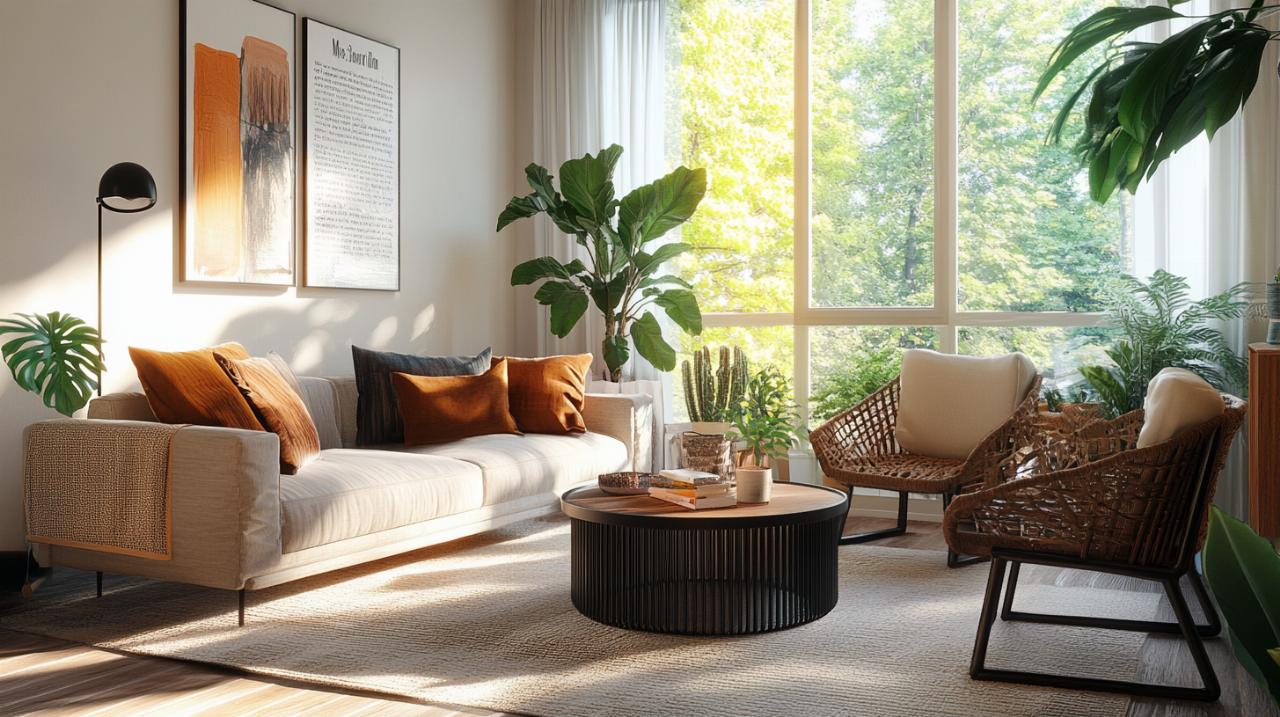
Lighting is another cornerstone of behavioural design, with natural light playing a particularly vital role in improving mood and productivity. Exposure to daylight regulates your circadian rhythm, the internal clock that governs sleep-wake cycles and overall energy levels. Maximising natural light in your home can therefore enhance alertness during the day and promote restful sleep at night. Where natural light is limited, consider the strategic placement of mirrors to reflect and distribute available daylight, or choose light, reflective paint colours that amplify brightness.
Artificial lighting must be handled with equal care, as it can either support or disrupt your well-being depending on its intensity, colour temperature and timing. In the evening, warm, low-intensity lighting helps signal to your body that it is time to wind down, reducing the production of stress hormones and encouraging relaxation. Smart lighting systems offer the flexibility to adjust these parameters throughout the day, catering to different activities and moods. Sensory-sensitive lighting is particularly beneficial for individuals who experience overstimulation or discomfort from harsh, flickering or overly bright sources.
The interplay between colour and light is equally important. Darker colours on ceilings can add a bold, industrial vibe and create a sense of intimacy, but they may also absorb light and make a space feel smaller. Lighter shades, by contrast, reflect illumination and open up a room, enhancing the sense of airiness. The choice of lighting fixtures, from warm-toned bulbs to cool, daylight-mimicking LEDs, influences how colours are perceived and how the overall atmosphere is experienced. By thoughtfully combining natural and artificial light with your colour palette, you can craft an environment that responds dynamically to your needs throughout the day.
Spatial design also contributes to how light is experienced. Open layouts with fewer visual obstructions allow light to flow freely, while strategic placement of furniture and partitions can create pockets of brightness or shade as desired. Acoustic management, achieved through soft furnishings and textured materials, not only reduces noise but also absorbs and diffuses light, contributing to a softer, more harmonious sensory experience. Flexible spaces that adapt to changing needs ensure that your home remains a supportive backdrop for your evolving routines, whether you require a quiet retreat for concentration or a lively area for social interaction.
The cumulative effect of these design choices is a home that actively supports mental health, fosters a sense of belonging and reinforces positive habits. By applying insights from neuroarchitecture, chromotherapy and inclusive design, you transform your living space into a tool for well-being. The careful selection of colours, the thoughtful manipulation of light and the deliberate organisation of space all work together to create an atmosphere that not only looks beautiful but also feels right. In doing so, you harness the power of your environment to shape your mind and behaviour, turning your home into a sanctuary that nurtures your best self every single day.